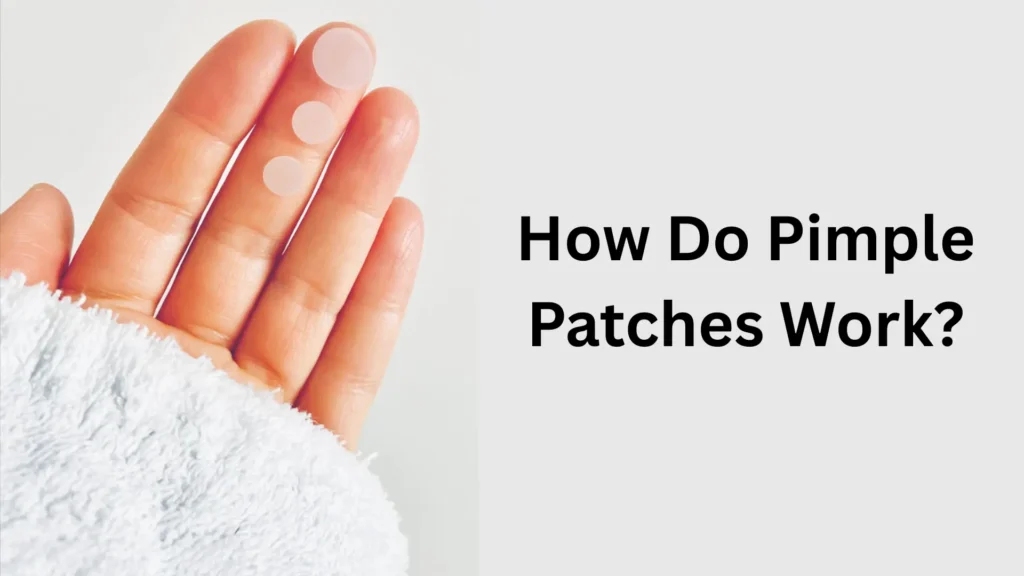
If you’ve ever woken up to a stubborn breakout the night before something important, you already know the panic. That’s exactly where a pimple patch steps in — a tiny, transparent sticker that sits over your blemish, works while you sleep, and peels off with visible results by morning. These hydrocolloid-based spot treatments have exploded in popularity for good reason: they’re simple, affordable, and genuinely effective for the right type of acne. Whether you’re a skincare beginner or just curious about what’s behind the hype, this guide covers everything you need to know.
How Do Pimple Patches Work?
Pimple patches are made from hydrocolloid, the same stuff that’s used in medical-grade wound dressings. When you press it onto a blemish, the hydrocolloid soaks up excess fluid, pus, and sebum from inside the pimple.
Here’s how it works, step-by-step:
- The patch creates a sealed, moist environment over skin
- This moisture pulls out impurities from the pimple without you squeezing or picking
- The patch turns white or cloudy as it absorbs the debris – that’s the “satisfying” part everyone talks about
- The covered area heals faster because it is protected from bacteria, fingers and environmental irritants.
Other patches go a step further with active ingredients, such as salicylic acid, niacinamide, tea tree oil, or microneedle technology for cystic acne beneath the surface. These are called medicated or microneedle patches, and they work slightly differently — we’ll cover those in a bit.
When Should You Use a Pimple Patch?
Not every pimple responds the same way to these patches, so knowing when to use one matters.
They Work Best On:
- Whiteheads — This is the sweet spot. If a pimple has a visible white or yellow tip, a hydrocolloid patch will draw it out beautifully overnight.
- Newly popped pimples — After you’ve already drained a blemish (gently, with clean hands), a patch protects the open skin and speeds up healing.
- Surface-level red bumps — Early-stage pustules or papules respond well, especially with medicated patches.
They’re Less Effective On:
- Cystic acne — Deep, painful nodules under the skin don’t have a “head” for the patch to absorb. Standard hydrocolloid patches sit on the surface and can’t reach that deep. For cystic breakouts, look for microneedle pimple patches, which contain tiny dissolving needles that deliver actives deeper into the skin.
- Blackheads — These are oxidized sebum plugs, not fluid-filled bumps. Patches won’t extract them.
- Flat hyperpigmentation: Dark spots left over after a pimple heals aren’t active acne, so a patch won’t do much.
If you find that pimples keep coming back even after treatment, it may be worth looking at underlying causes such as hormonal fluctuations, diet or skincare product buildup rather than relying solely on spot treatments.
Pimple Patch Benefits: Why So Many People Swear By Them
Beyond just flattening a blemish, pimple patches offer a handful of practical advantages that make them genuinely worth keeping in your skincare drawer.
They stop you from picking:
This alone makes them valuable. Picking at acne introduces bacteria, pushes infection deeper, and leads to scarring. A patch physically blocks access — problem solved.
They work overnight with zero effort:
Stick it on before bed, wake up, peel it off. No waiting for a spot treatment to dry, no reapplying throughout the day.
They’re gentle enough for sensitive skin:
Most basic hydrocolloid patches contain no harsh actives, making them one of the safest acne treatments available. Even people who react to benzoyl peroxide or retinoids can usually use these without irritation.
They protect healing skin:
After a pimple has surfaced or been popped, bare skin is vulnerable to bacteria and post-inflammatory hyperpigmentation. A patch acts like a bandage — transparent and breathable.
They’re discreet:
Modern patches are thin enough to wear under makeup. Some brands even sell tinted versions designed to blend into different skin tones.
How to Properly Use Pimple Patches
Getting the most out of a pimple patch comes down to application technique. It sounds simple, but there’s a right way to do it.
Step 1: First thing, give your face a good wash. Having clean and dry skin is a must. If you have any oil, moisturizer, or residue on the surface, it will stop the patch from sticking properly.
Step 2: After washing, towel off the area. Applying the patch on wet skin is a no-no, moisture makes the patch less sticky.
Step 3: Pick the right size. Generally, packs have different sized patches. Pick the one that not only covers the pimple but also extends a little to the surrounding skin.
Step 4: Get ready to peel and stick but don’t be tempted to touch the sticky side. Get hold of the patch by its edges and then firmly press it onto the blemish. Keep pressing it for a few seconds.
Step 5: To really work their magic, keep the patch on for 6-8 hours. Using them overnight is the best. The longer the patch stays, the more it will be able to draw out.
Step 6: Come morning, take it off slowly and gently. If the patch has turned white and opaque, it’s done its job. If it’s still clear, the pimple may not have a lot of fluid — that’s fine, it still protects the area.
Which Pimple Patch Actually Works the Best?
With dozens of options on shelves now, narrowing it down is genuinely overwhelming. Here are the categories worth knowing:
Best Overall Hydrocolloid Patch
COSRX Acne Pimple Master Patch remains a consistent top performer. It’s one of the original cult-favorite patches — affordable, available in multiple sizes, and reliably effective for surface whiteheads.
Best for Cystic and Deep Acne
Mighty Patch Invisible+ (Hero Cosmetics) and brands offering microneedle technology patches are the go-to choice for under-the-skin acne. The micro-dart style patches dissolve into the skin and deliver active ingredients like hyaluronic acid or salicylic acid deeper than a surface patch ever could.
Best for Daytime Wear
Thin, ultra-flat patches like ZitSticka Hyperfade or Peace Out Acne Healing Dots are designed to sit invisibly under foundation. Some are even matte-finished to reduce the “sticker” appearance.
Best Budget Option
Many drugstore brands now produce solid hydrocolloid patches — look for options from Nexcare or store-brand versions at CVS, Target, or Boots.
Best for Sensitive or Acne-Prone Skin
Look for fragrance-free, minimal-ingredient patches without added actives. Basic hydrocolloid with no salicylic acid or tea tree is the safest choice for reactive skin types.
A Note on Lip Area Breakouts
One commonly confused situation: a sore near the lip that looks like a pimple but behaves differently. If you’re unsure whether you’re dealing with a cold sore or pimple on lip, it’s important to identify it correctly before applying a pimple patch. Cold sores are caused by the herpes simplex virus and require antiviral treatment — a hydrocolloid patch won’t help and may spread the fluid.
Final Thoughts
Pimple patches aren’t magic, but they’re one of the most practical and evidence-backed spot treatments available today. For surface-level whiteheads and freshly popped pimples, they genuinely deliver. For deeper or cystic acne, pairing them with targeted actives — or choosing a microneedle patch — will give better results.
The key is using them correctly, on the right type of blemish, at the right stage. Once they become part of your routine, you’ll wonder how you ever dealt with breakouts without them.
FAQ:
Q1: Can you put a pimple patch on a popped pimple?
Yes, it is beneficial as a means of soaking up the residual liquid and shielding the exposed wound from germs.
Q2: What to do after removing a pimple patch?
Softly wash the area, put on a simple moisturiser or a skin repair serum, and keep your hands off.
Q3: Can we use a pimple patch daily?
Potentials can be applied to the sites of the problem as often as one likes but it’s useless to put them on healthy skin.
Q4: Do pimple patches have side effects?
Only a few – It happens that people get a little red or their skin is irritated because of the adhesive, In particular if worn for a long time.
Q5: How do I know if a pimple patch is working?
The patch will turn white or opaque as it absorbs fluid — that’s the clearest sign it’s doing its job.